What to Pack for a Day on the Trail
A practical checklist for comfort and safety. From footwear to snacks — nothing left behind.
Read ArticleEverything you need to know about the most accessible trail in Connemara. We cover parking, difficulty, and what to bring.
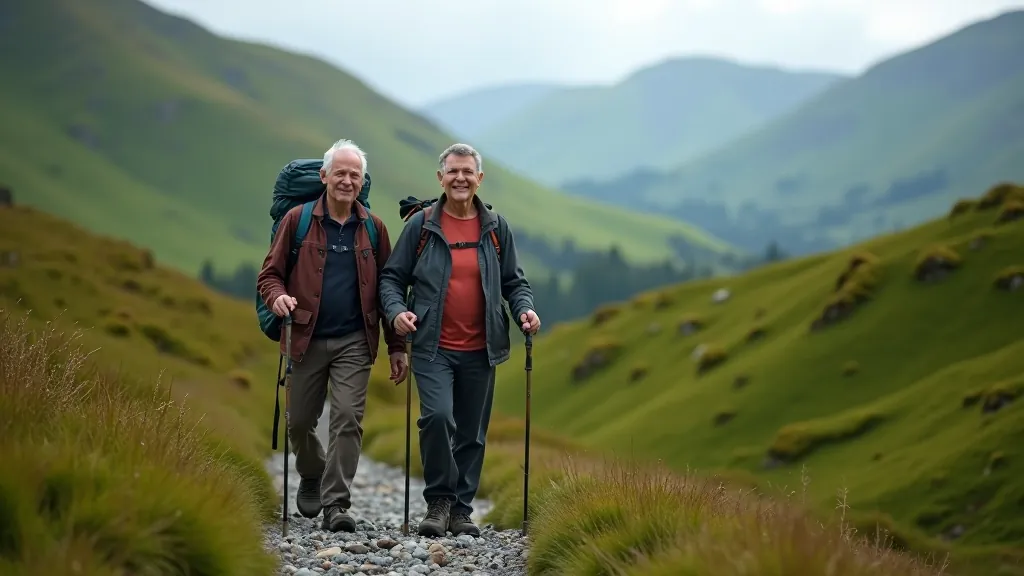
Diamond Hill isn't like other mountains. It's manageable. The route's straightforward, the views are spectacular, and you won't need technical gear. Most people finish in 2–2.5 hours at a comfortable pace, which means you'll have energy left for a proper rest afterward.
Here's what makes it genuinely beginner-friendly: the path's well-marked, there's minimal scrambling, and the 518-meter elevation gain feels achievable rather than brutal. We're talking about a solid walk, not a grueling test of fitness. You'll notice your heart working a bit harder, but it's the good kind of effort.
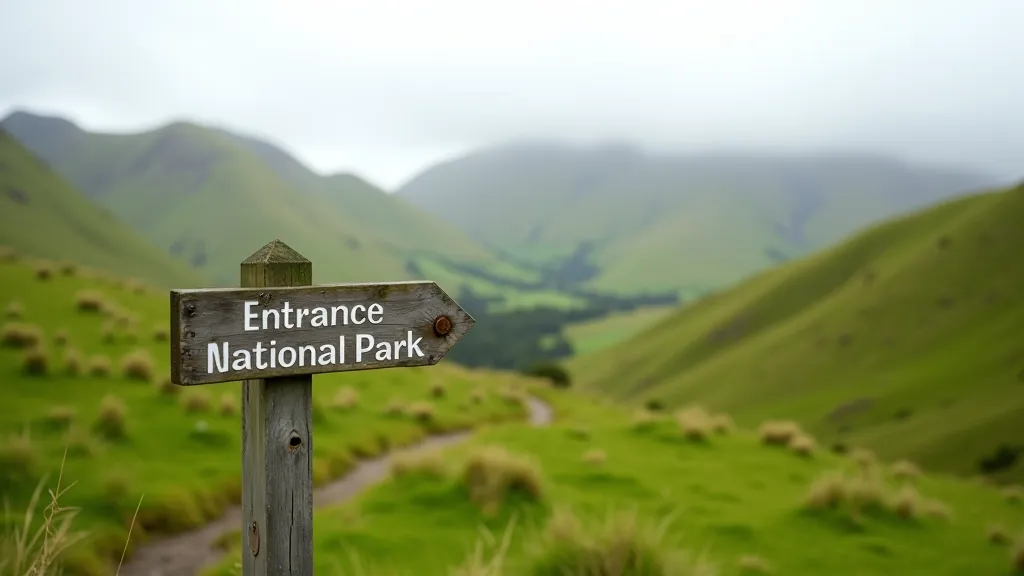
The trailhead sits in Connemara National Park near Letterfrack, about 45 minutes from Galway city. The parking area's right at the park entrance — no hunting for spots or walking from some distant carpark. You'll pull in, grab your gear, and you're ready to start within minutes.
The park's open year-round, and parking's free. Early morning's your best bet if you're going during summer. We're talking 8 or 9 AM if you want to avoid the afternoon crowds. Winter's quieter, though the weather's less predictable.
Pro tip: There's a visitor center at the park entrance with facilities. Pop in before you start — good bathrooms and useful information about weather conditions.
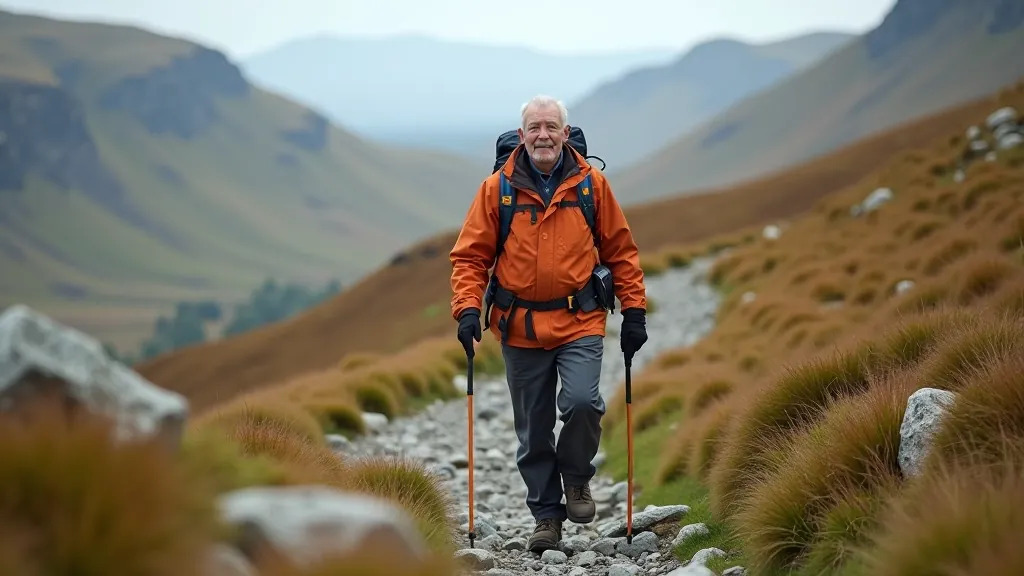
The path's a mix of grass, loose stone, and rocky sections. None of it's steep in the dangerous sense — you're looking at a steady uphill gradient rather than switchbacks that'll leave you gasping. The footing's good, and the trail's clear enough that you won't waste energy trying to figure out which way to go.
The first 45 minutes takes you through moorland with low vegetation. Then the path gets rockier as you climb toward the summit. There's a bit of hand-over-hand scrambling near the top, but nothing requiring climbing experience. It's the kind of scramble that actually feels fun rather than scary.
Weather matters here. The mountain can be clear one moment and cloud-covered the next. We've had people turn back because visibility dropped to 20 meters. That's not failure — that's smart decision-making. Come back another day.
This isn't a technical mountaineering expedition, but you're still on a mountain. Weather changes fast. Bring layers — it's genuinely non-negotiable.
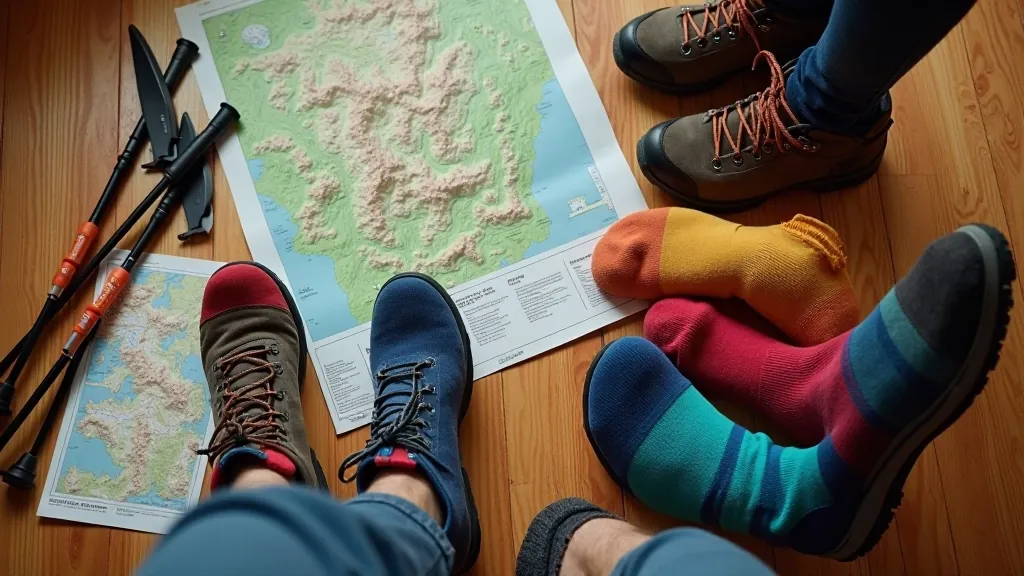
Proper hiking boots or trail shoes. The rocky sections'll chew up regular trainers. You want ankle support and good grip. Don't attempt this in fashion shoes.
Start with a moisture-wicking base layer, add a fleece or wool mid-layer, and bring a waterproof jacket. You'll shed layers as you warm up climbing, then add them back on the way down or if the wind picks up.
At least 1.5 liters of water. There's no refill on the mountain. Pack energy food — trail mix, energy bars, a banana. Nothing complicated. You'll want proper fuel for the descent.
Sunscreen, a hat, and sunglasses. You're exposed up there. Even on cloudy days, UV exposure is real. Your face'll thank you.
Start early. You'll avoid crowds, have better light for photos, and won't be rushing the descent. The mountain's genuinely different when you've got time to enjoy it rather than racing against daylight.
Take breaks. We're not talking about pushing through. Stop when you need to. Sit down, have some water, catch your breath. The people who struggle aren't the ones who rest — they're the ones who don't.
Watch your footing on the way down. The descent's harder on knees than the climb. Go slower. Use trekking poles if your knees are sensitive. There's no prize for rushing.
Check the weather forecast. If it's calling for rain and heavy cloud, it's worth waiting for another day. Diamond Hill'll still be there.
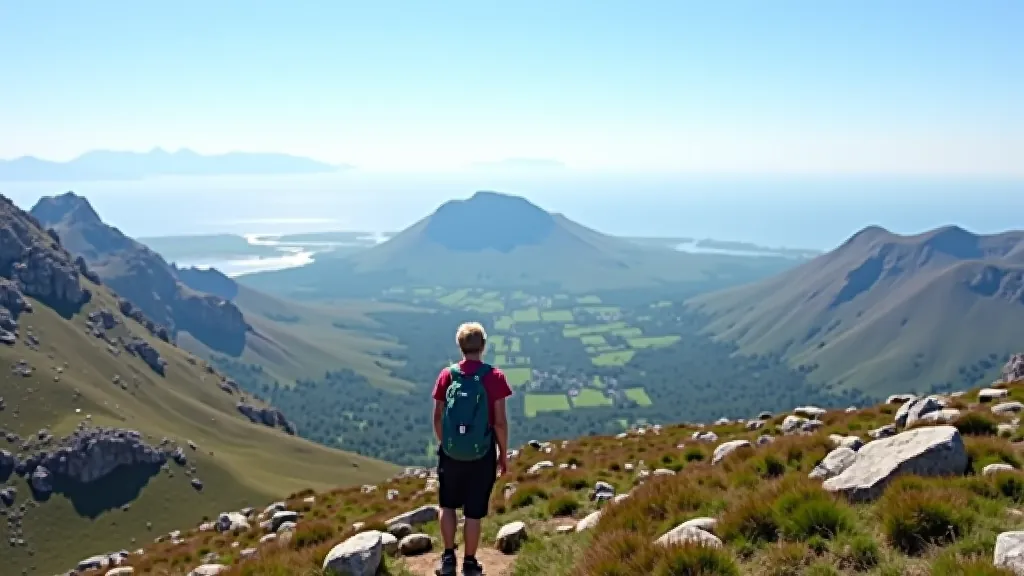
It's not too long, not too steep, and genuinely achievable for people getting into hiking. You'll get a proper mountain experience without needing specialized gear or years of training. The views from the top are worth the effort — you'll see why people come back.
More importantly, you'll prove something to yourself. You'll know you can do a mountain walk, which opens up other trails. Next time, you might try something longer. Or you might stick with Diamond Hill — it's good enough for multiple visits.
The mountain's waiting. Pick a good day, bring the right gear, and enjoy the walk.
This article is educational information about Diamond Hill and hiking in Connemara. Hiking involves inherent risks including weather changes, uneven terrain, and altitude. Always assess your own fitness level and ability before attempting any trail. Check current weather conditions before heading out. Bring appropriate gear and let someone know where you're going. If you have health concerns or medical conditions, consult your doctor before engaging in strenuous physical activity. The information here is general guidance — local conditions can change, and you're responsible for your own safety decisions on the mountain.